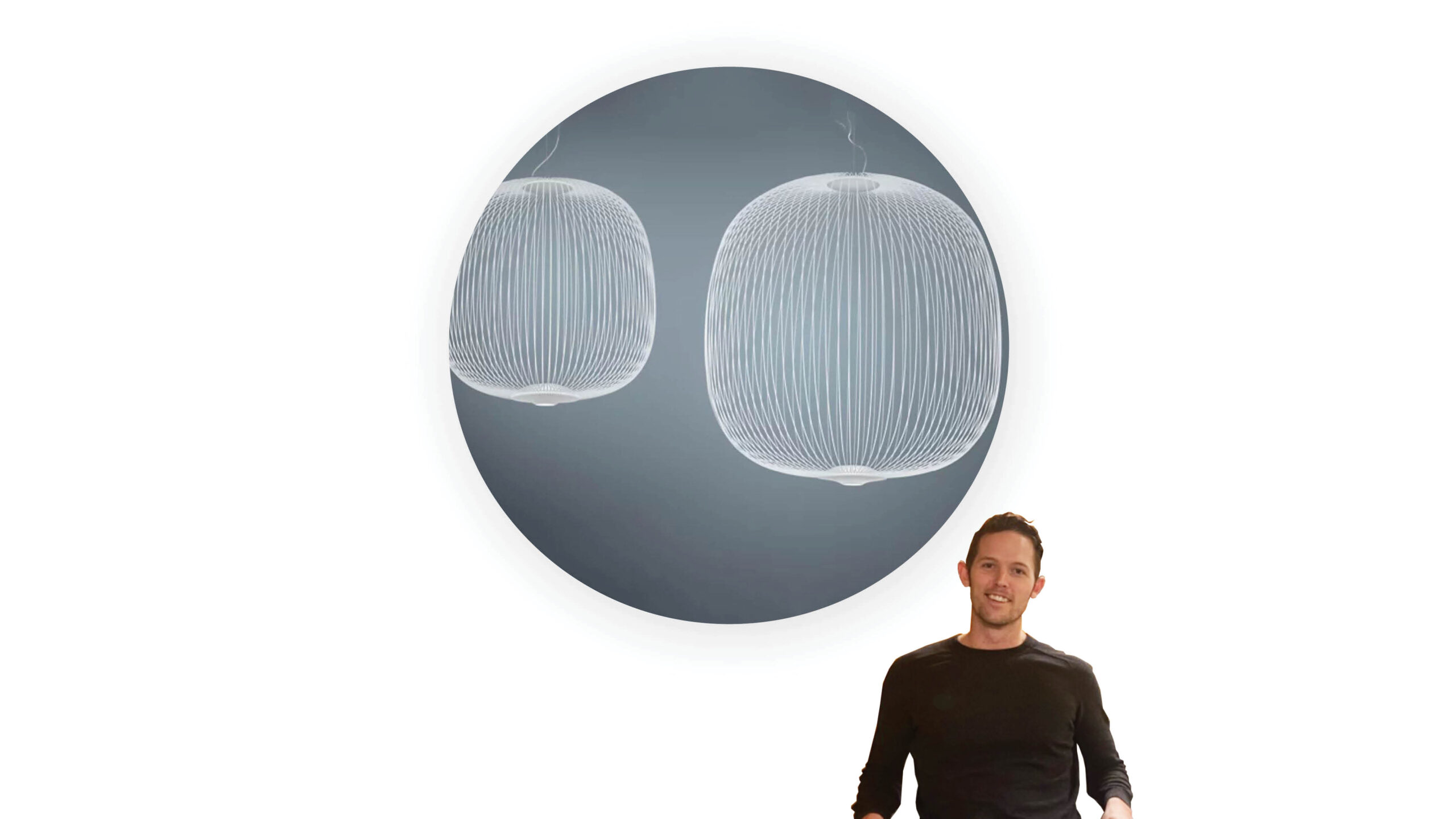
Category: Lighting

  • Foscarini Spokes: Love the Look, But How Many Lights?

    Foscarini Spokes: Love the Look, But How Many Lights?

    How Many Lights Will You Really Need for Your Design? Foscarini Spokes

    Let’s take the guesswork out of lighting so you can design with confidence! Ensuring the right amount of illumination is essential for both functionality and ambiance. The Foscarini Spokes pendant light delivers an impressive 3316 lumens, but how many lights do you actually need for your space?

    To make sure your design is bright enough, use our lighting estimator below to calculate the ideal number of Foscarini Spokes lights based on your room’s size. Whether you’re working on a residential or commercial project, this tool helps you achieve the perfect lighting balance.

    Note: By using the lighting estimator below, you agree to the terms and conditions of this website.

    How many lights foscarini spokes

    How Many Lights Will You Need? Foscarini Spokes

    how many lights foscarini

    How to Estimate How Many Lights You Will Need for Your Room

    • Step 1: Use the drop down button to select the Room Type.
    • Step 2: Fill in the square footage of your room.
    • Step 3: Use the drop down button to select your ceiling height.
    • Step 4: Use the drop down button to select how bright your room finishes will be (bright, medium, or dark).

    The calculator will automatically tell you how many lumens you need for your room, and weather you need additional lights.

    Reach out with questions if you’d like me to double check your work, before you purchase anything. If you are working on a building permit, or putting together a lighting budget, feel free to use my free lighting design guide here (excel format).

    Jellyfish Light

    Foscarini Spokes: Need Additional Light?

    If you’ve used our calculator and are still wondering how many lights you need, consider supplementing your design with accent lighting. While the Foscarini Spokes pendant provides stunning illumination, some spaces may require additional fixtures for optimal brightness and balance.

    Below, I’ve curated a list of go-to lighting options that I frequently use in projects with architects and developers. These fixtures are organized for quick comparison of cost, wattage, and aesthetics, ensuring you find the perfect complement to your Foscarini Spokes setup.

    Every light is UL-listed for safety and has a color rendering index (CRI) of 90+, guaranteeing high-quality illumination.

    Not sure if you need more lighting? Reach out with any questions—I’m happy to help fine-tune your design!

    Steve Duncan, AIA

    Recessed Can Downlights

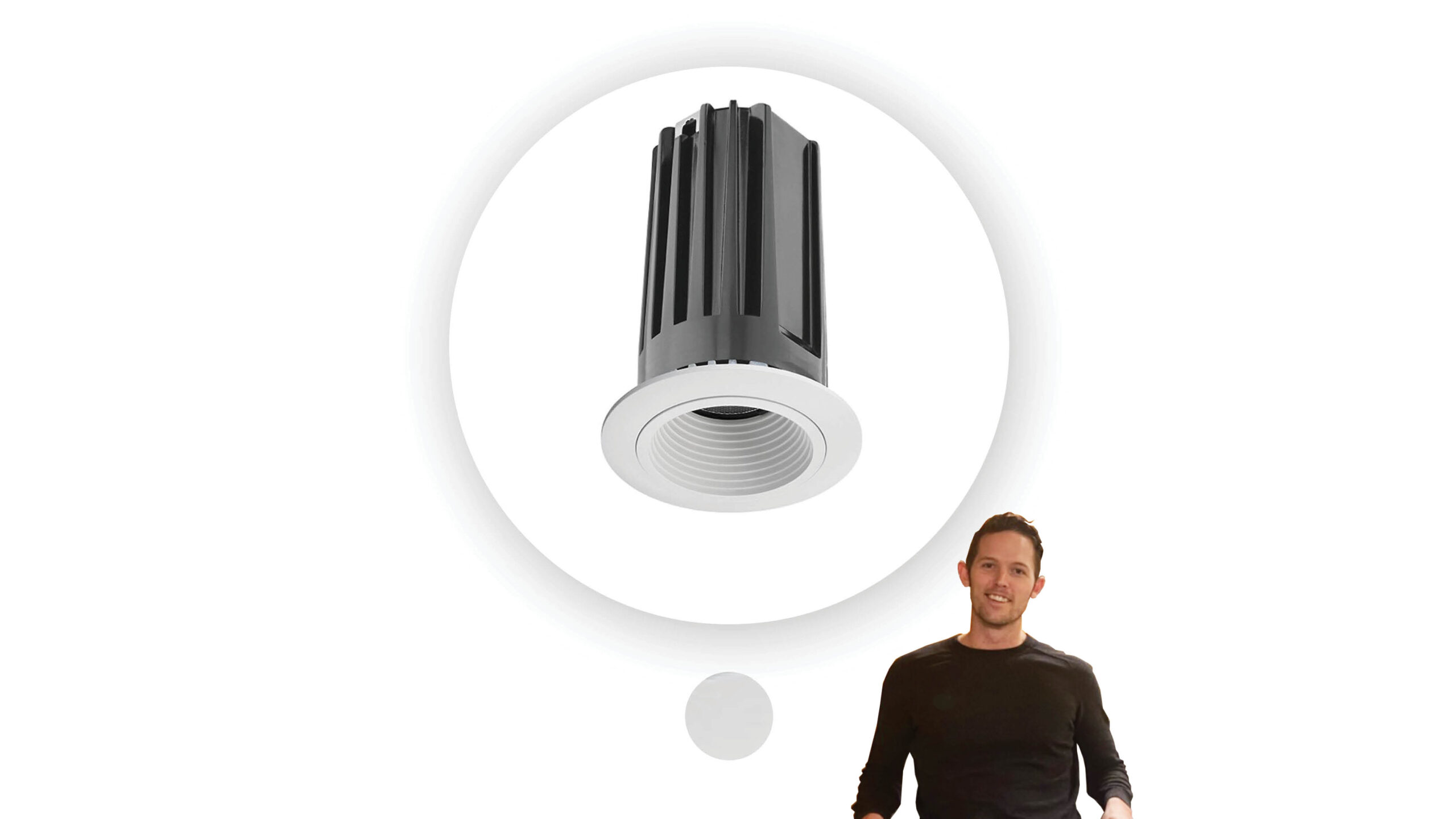
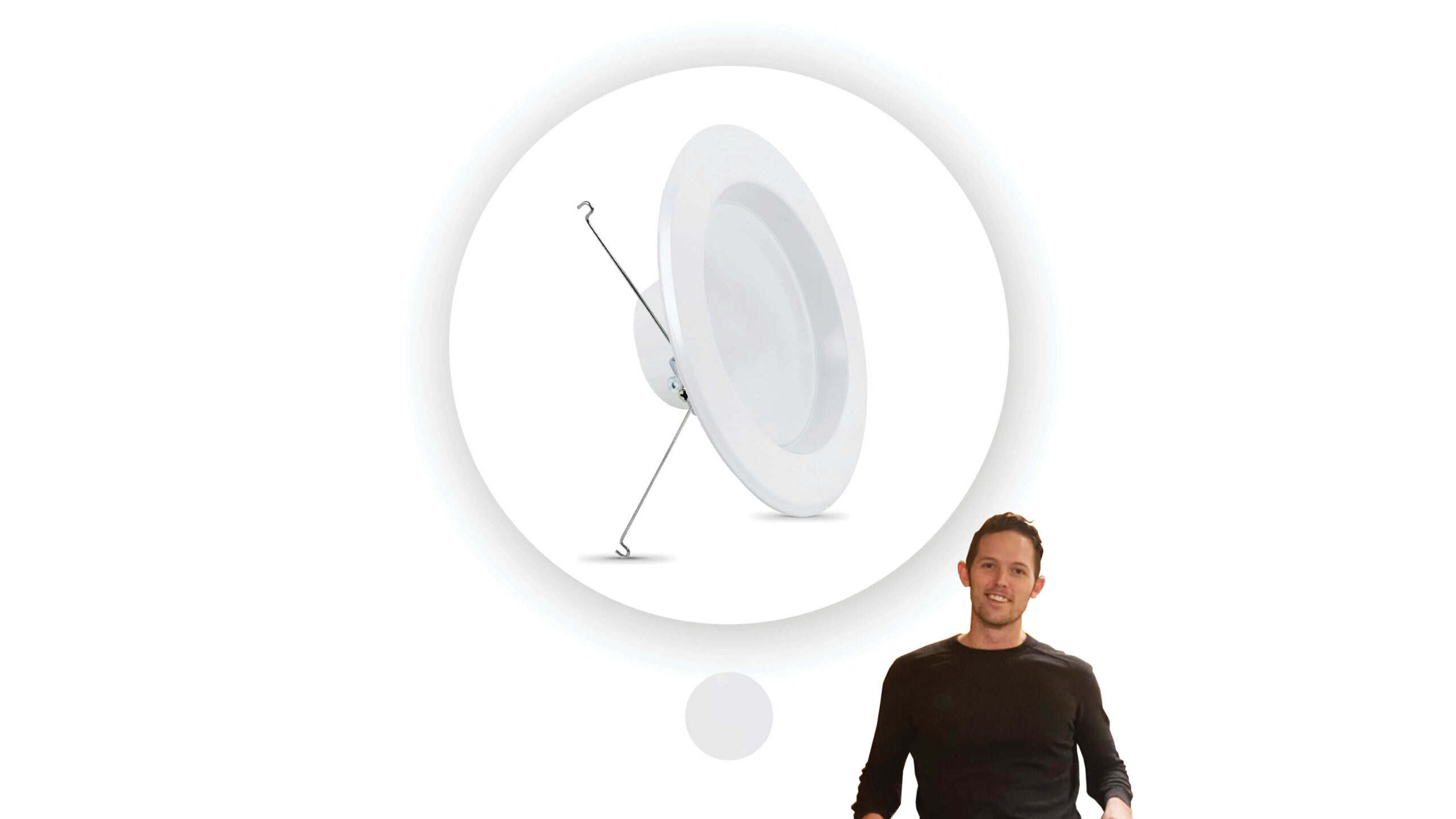
    Best Residential Lights_Feit LEDR56930CA

    90 CRI – 3000K

    Best Residential Lights_Juno Gen2

    90 CRI – 3000K

    Best Residential Lights_WAC Volta 2 Inch

    90 CRI – 2700K, 3000K, 3500K, 4000K

    Recessed Wall Washer Lights

    Best Residential Lights_WAC Lotos Recessed Wall Washer LED

    90 CRI – 2700K, 3000K, 3500K, 4000K, 5000K

    90 CRI – 2700K, 3000K, 3500K, 4000K

    Recessed Adjustable Accent Lights

    90 CRI – 2700K, 3000K, 3500K, 4000K, 5000K

    90 CRI – 2700K, 3000K, 3500K, 4000K, 5000K

    Best Residential Lights_WAC Volta 2 Inch Adjustable

    90 CRI – 2700K, 3000K, 3500K, 4000K

    What Should You Look for in Quality Residential Lighting?

    Architect calculating how many lights are needed for her project if she uses foscarini spokes.

    When designing the perfect living space, one of the most impactful yet often overlooked elements is quality residential lighting. Whether you’re considering the Foscarini Spokes pendant or determining how many lights are needed for your space, the right lighting enhances ambiance, highlights decor, and improves functionality.

    In 2025, the best residential lighting solutions prioritize high color rendering (CRI 90+), energy efficiency, and sleek, versatile designs that suit a variety of interiors. As an architect and lighting designer, I’ve carefully selected the best lighting options to meet these high standards, ensuring that your space is not only well-lit but also beautifully illuminated.

    Whether you’re remodeling or designing a new home, choosing the right Foscarini Spokes fixture and determining how many lights you need will elevate your space and maximize its potential.

    Foscarini Spokes: Quality Residential Lighting Criteria

    • UL Listed for Safety
    • Have a Color Rendering Index (CRI) of at least 90
    • Customer Rating of at least 4 out of 5 stars

    Foscarini Spokes: Why Is Color Rendering Important for Quality Residential Lighting?

    Regardless of the vibe you are going for, there are two things that can trip up designers when they are selecting LED lighting. The first, is color rendering. ​

    Color Rendering Index (CRI)

    If you only remember one thing from me, please remember that color rendering is EVERYTHING when it comes to lighting. If you love incandescent and halogen lights, but hate fluorescent, then color rendering is the reason.​

    We always want to find lights that have a color rendering (CRI) of at least 90, so that we can bring out the true color of our room finishes and decor. Many LED lights have a color rendering of 80, and this score is actually worse than fluorescent (which has a score of 82). As you can see in the image below, the true color of the wood is brought out with the light on the right, which has a score of 90. The red tones of the wood come through and it feels warm. In contrast, the light on the left makes the wood look a bit greenish and yellow, because it has a poor color rendering score of 80.​

    Color Rendering Comparison of two LEDs which are illuminating a wood furniture piece.

    Trust me! It’s worth it to spend just a little bit more on lights to make sure that you’re getting LEDs with a score of 90 or higher, so that the people and finishes in your spaces feel vibrant and full of life. Make sure to pay attention to this when you find a light you like and you’re ready to hit that “order” button.

    Foscarini Spokes: Why Is Dimmer Compatibility Important?

    Lastly, make sure that the LEDs you select are dimmable. This is something you need to check in the product cutsheet or through the web store that you are browsing. ​

    Also, you’ll need to make sure that the dimmer you select will be compatible with the LED light fixture.  In the past, we could easily dim incandescent and halogen lighting with a simple rotary dimmer. This may or may not work for a new LED light fixture. 

    You wouldn’t expect your television remote to be able to turn on your stereo system, would you? The same is true for LED dimmers. You have to make sure that the dimmer switch can actually communicate with the light fixture. 

    Why is Dimmer Compatibility Important?

    There’s a variety of dimming protocols: it may be TRIAC, Electronic Low Voltage (ELV), 0-10 Volt, or DALI. So make sure to work with your electrician or a sales representative to make sure that the components of your lighting design are all compatible. 

    Foscarini Spokes: Why is it Important to Do a Lighting Calculation?

    If you want to be confident in your residential lighting design, you have to do a lighting calculation. It’s as simple as that. 

    Footcandle Targets

    But how do we actually estimate how bright a room actually needs to be? Well, the footcandle targets for a room are set by the Illuminating Engineering Society of North America (IESNA), and the International Association of Lighting Designers (IALD).

    This professional organization has studied and analyzed the functional requirements for each kind of space designed by architects. For residential projects, I like to refer back to the National Renewable Energy Laboratory & Department of Energy’s footcandle targets, since those are made freely available to the public. These are the targets I use for my own projects, and are the basis for the lighting estimator on this webpage. ​

    Avoiding Lighting Mistakes – Not Enough Light

    You don’t want to have too little light. It’s expensive for a contractor and electrican to come back after the fact to revise the lighting strategy and patch the walls/ceiling. This happened to an interior designer early in my career, and it wasn’t a fun situation.

    For me, it was the beginning of a great collaboration with this design professional, because we worked on many projects after that – but of course it would have been better if this interior designer hadn’t made that mistake to begin with. ​

    Foscarini Spokes: Avoiding Lighting Mistakes – Too Much Light

    Likewise, you also don’t want to be too bright, and overspend on lighting, just because you’re unsure what is needed and just hoping for the best (yikes!).

    This is fundamentally why I created the lighting estimator at our partner website – to balance making sure there’s enough light, while also making sure a client isn’t paying for too many lights. Hopefully using the calculator was straightforward. Reach out with questions (before buying/building anything), if you’d like help! Good luck on your project!

    Foscarini Spokes Works Cited: Quality Residential Lighting & How Many Lights​

    Duncan, Steve. “Why Is It Important to Do a Lighting Calculation?” Lighting Design Insights. [LightingJUMP.com, https://www.lightingjump.com/how-many-lights-forest-vibe]. 

    The author emphasizes the necessity of conducting lighting calculations to ensure effective lighting design in various spaces. He cites the Illuminating Engineering Society of North America (IESNA) and the International Association of Lighting Designers (IALD) for their established footcandle targets that help determine appropriate lighting levels. Duncan also mentions the National Renewable Energy Laboratory (NREL) and the Department of Energy’s publicly available footcandle targets, which he uses for residential projects.

    He shares a personal anecdote about the complications that arise from inadequate lighting, stressing the importance of precise calculations to avoid costly adjustments and excessive spending. The lighting estimator featured on his webpage is designed to assist clients in achieving optimal lighting without overspending. 

    References – How Many Lights Foscarini Spokes​

    https://lightbycolor.com/plasma-orbs-and-architecture
    https://lightbycolor.com/furniture-and-cymatics
  • Juno Recessed: Love the Light, But Is It Bright Enough?

    Juno Recessed: Love the Light, But Is It Bright Enough?

    How Many Lights Will You Really Need for Your Design? Juno Recessed Light

    Let’s take the guesswork out of lighting so you can design with confidence! Ensuring the right amount of illumination is essential for both functionality and ambiance. The Juno Recessed Light delivers an impressive 1000 lumens, but how many lights do you actually need for your space?

    To make sure your design is bright enough, use our lighting estimator below to calculate the ideal number of Juno Recessed Lights based on your room’s size. Whether you’re working on a residential or commercial project, this tool helps you achieve the perfect lighting balance.

    Note: By using the lighting estimator below, you agree to the terms and conditions of this website.

    How Bright_Juno Recessed Gen2

    How Many Lights Will You Need? Juno Recessed Light

    Best Residential Lights_Juno Recessed Gen2

    How to Estimate How Many Lights You Will Need for Your Room

    • Step 1: Use the drop down button to select the Room Type.
    • Step 2: Fill in the square footage of your room.
    • Step 3: Use the drop down button to select your ceiling height.
    • Step 4: Use the drop down button to select how bright your room finishes will be (bright, medium, or dark).

    The calculator will automatically tell you how many lumens you need for your room, and weather you need additional lights.

    Reach out with questions if you’d like me to double check your work, before you purchase anything. If you are working on a building permit, or putting together a lighting budget, feel free to use my free lighting design guide here (excel format).

    Juno Recessed Light: Need Additional Light?

    If you’ve used our calculator and are still wondering how many lights you need, consider supplementing your design with accent lighting. While the Juno Recessed Light provides stunning illumination, some spaces may require additional fixtures for optimal brightness and balance.

    Below, I’ve curated a list of go-to lighting options that I frequently use in projects with architects and developers. These fixtures are organized for quick comparison of cost, wattage, and aesthetics, ensuring you find the perfect complement to your Juno Recessed Light setup.

    Every light is UL-listed for safety and has a color rendering index (CRI) of 90+, guaranteeing high-quality illumination.

    Not sure if you need more lighting? Reach out with any questions—I’m happy to help fine-tune your design!

    Steve Duncan, AIA

    Recessed Adjustable Accent Lights

    90 CRI – 2700K, 3000K, 3500K, 4000K, 5000K

    90 CRI – 2700K, 3000K, 3500K, 4000K, 5000K

    Best Residential Lights_WAC Volta 2 Inch Adjustable

    90 CRI – 2700K, 3000K, 3500K, 4000K

    Adjustable Cylinder Accent Light

    Best Residential Lights_Satco Nuvo 62-1105

    90 CRI – 3000K

    Best Residential Lights_WAC Silo X10

    90 CRI – 3000K

    Track Lighting

    Best Residential Lights_Cloudy Bay Track Light

    90 CRI – 3000K, 4000K, 5000K

    Best Residential Lights_Flos Track Light

    90 CRI – 2700K, 3000K, 4000K, 5000K

    Recessed Can Downlights

    Best Residential Lights_Feit LEDR56930CA

    90 CRI – 3000K

    Best Residential Lights_Juno Gen2

    90 CRI – 3000K

    Best Residential Lights_WAC Volta 2 Inch

    90 CRI – 2700K, 3000K, 3500K, 4000K

    Recessed Wall Washer Lights

    Best Residential Lights_WAC Lotos Recessed Wall Washer LED

    90 CRI – 2700K, 3000K, 3500K, 4000K, 5000K

    90 CRI – 2700K, 3000K, 3500K, 4000K

    Undercabinet Linear Lights

    Best Residential Lights_NSL LED Undercabinet

    90 CRI – 2700K, 3000K, 4000K

    90 CRI – 2200K, 2700K, 3000K, 3500K, 4500K

    Round Undercabinet Puck Light

    Best Residential Lights_WAC LED HR LED90 Button Light

    90 CRI – 2700K, 3000K

    Best Residential Lights_Core Adjustable Puck Light

    90 CRI – 2700K, 3000K, 4000K

    What Should You Look for in Quality Residential Lighting?

    Architect calculating how many lights are needed for her project if she uses foscarini spokes.

    When designing the perfect living space, one of the most impactful yet often overlooked elements is quality residential lighting. Whether you’re considering the Juno Recessed Light or determining how many lights are needed for your space, the right lighting enhances ambiance, highlights decor, and improves functionality.

    In 2025, the best residential lighting solutions prioritize high color rendering (CRI 90+), energy efficiency, and sleek, versatile designs that suit a variety of interiors. As an architect and lighting designer, I’ve carefully selected the best lighting options to meet these high standards, ensuring that your space is not only well-lit but also beautifully illuminated.

    Whether you’re remodeling or designing a new home, choosing the right Juno Recessed Light and determining how many lights you need will elevate your space and maximize its potential.

    Juno Recessed Light: Quality Residential Lighting Criteria

    • UL Listed for Safety
    • Have a Color Rendering Index (CRI) of at least 90
    • Customer Rating of at least 4 out of 5 stars

    Juno Recessed Light: Why Is Color Rendering Important for Quality Residential Lighting?

    Regardless of the vibe you are going for, there are two things that can trip up designers when they are selecting LED lighting. The first, is color rendering. ​

    Color Rendering Index (CRI)

    If you only remember one thing from me, please remember that color rendering is EVERYTHING when it comes to lighting. If you love incandescent and halogen lights, but hate fluorescent, then color rendering is the reason.​

    We always want to find lights that have a color rendering (CRI) of at least 90, so that we can bring out the true color of our room finishes and decor. Many LED lights have a color rendering of 80, and this score is actually worse than fluorescent (which has a score of 82). As you can see in the image below, the true color of the wood is brought out with the light on the right, which has a score of 90. The red tones of the wood come through and it feels warm. In contrast, the light on the left makes the wood look a bit greenish and yellow, because it has a poor color rendering score of 80.​

    Color Rendering Comparison of two LEDs which are illuminating a wood furniture piece.

    Trust me! It’s worth it to spend just a little bit more on lights to make sure that you’re getting LEDs with a score of 90 or higher, so that the people and finishes in your spaces feel vibrant and full of life. Make sure to pay attention to this when you find a light you like and you’re ready to hit that “order” button.

    Juno Recessed Light: Why Is Dimmer Compatibility Important?

    Lastly, make sure that the LEDs you select are dimmable. This is something you need to check in the product cutsheet or through the web store that you are browsing. ​

    Also, you’ll need to make sure that the dimmer you select will be compatible with the LED light fixture.  In the past, we could easily dim incandescent and halogen lighting with a simple rotary dimmer. This may or may not work for a new LED light fixture. 

    You wouldn’t expect your television remote to be able to turn on your stereo system, would you? The same is true for LED dimmers. You have to make sure that the dimmer switch can actually communicate with the light fixture. 

    Why is Dimmer Compatibility Important?

    There’s a variety of dimming protocols: it may be TRIAC, Electronic Low Voltage (ELV), 0-10 Volt, or DALI. So make sure to work with your electrician or a sales representative to make sure that the components of your lighting design are all compatible. 

    Juno Recessed Light: Why is it Important to Do a Lighting Calculation?

    If you want to be confident in your residential lighting design, you have to do a lighting calculation. It’s as simple as that. 

    Footcandle Targets

    But how do we actually estimate how bright a room actually needs to be? Well, the footcandle targets for a room are set by the Illuminating Engineering Society of North America (IESNA), and the International Association of Lighting Designers (IALD).

    This professional organization has studied and analyzed the functional requirements for each kind of space designed by architects. For residential projects, I like to refer back to the National Renewable Energy Laboratory & Department of Energy’s footcandle targets, since those are made freely available to the public. These are the targets I use for my own projects, and are the basis for the lighting estimator on this webpage. ​

    Avoiding Lighting Mistakes – Not Enough Light

    You don’t want to have too little light. It’s expensive for a contractor and electrican to come back after the fact to revise the lighting strategy and patch the walls/ceiling. This happened to an interior designer early in my career, and it wasn’t a fun situation.

    For me, it was the beginning of a great collaboration with this design professional, because we worked on many projects after that – but of course it would have been better if this interior designer hadn’t made that mistake to begin with. ​

    Juno Recessed Light: Avoiding Lighting Mistakes – Too Much Light

    Likewise, you also don’t want to be too bright, and overspend on lighting, just because you’re unsure what is needed and just hoping for the best (yikes!).

    This is fundamentally why I created the lighting estimator at our partner website – to balance making sure there’s enough light, while also making sure a client isn’t paying for too many lights. Hopefully using the calculator was straightforward. Reach out with questions (before buying/building anything), if you’d like help! Good luck on your project!

    Best Residential Lights_Juno Gen2

    Table of Contents: How Many Lights Juno Recessed Can Light

    Juno Recessed Light Works Cited: Quality Residential Lighting & How Many Lights​

    Duncan, Steve. “Why Is It Important to Do a Lighting Calculation?” Lighting Design Insights. [LightingJUMP.com, https://www.lightingjump.com/how-many-lights-forest-vibe]. 

    The author emphasizes the necessity of conducting lighting calculations to ensure effective lighting design in various spaces. He cites the Illuminating Engineering Society of North America (IESNA) and the International Association of Lighting Designers (IALD) for their established footcandle targets that help determine appropriate lighting levels. Duncan also mentions the National Renewable Energy Laboratory (NREL) and the Department of Energy’s publicly available footcandle targets, which he uses for residential projects.

    He shares a personal anecdote about the complications that arise from inadequate lighting, stressing the importance of precise calculations to avoid costly adjustments and excessive spending. The lighting estimator featured on his webpage is designed to assist clients in achieving optimal lighting without overspending. 

    References – How Many Lights Juno Recessed Light

    https://lightbycolor.com/plasma-orbs-and-architecture
    https://lightbycolor.com/lighting-and-cymatics
  • Feit Recessed: Love the Light, But Is It Bright Enough?

    Feit Recessed: Love the Light, But Is It Bright Enough?

    How Many Lights Will You Really Need for Your Design? Feit Recessed Light

    Let’s take the guesswork out of lighting so you can design with confidence! Ensuring the right amount of illumination is essential for both functionality and ambiance. The Feit Recessed Light delivers an impressive 1290 lumens, but how many lights do you actually need for your space?

    To make sure your design is bright enough, use our lighting estimator below to calculate the ideal number of Feit Recessed Light based on your room’s size. Whether you’re working on a residential or commercial project, this tool helps you achieve the perfect lighting balance.

    Note: By using the lighting estimator below, you agree to the terms and conditions of this website. Reach out to me if you have any questions, before you order or start construction.

    How Bright_Feit LEDR569030CA

    How Many Lights Will You Need? Feit Recessed Light

    Best Residential Lights_Feit LEDR56930CA

    How to Estimate How Many Lights You Will Need for Your Room

    • Step 1: Use the drop down button to select the Room Type.
    • Step 2: Fill in the square footage of your room.
    • Step 3: Use the drop down button to select your ceiling height.
    • Step 4: Use the drop down button to select how bright your room finishes will be (bright, medium, or dark).

    The calculator will automatically tell you how many lumens you need for your room, and weather you need additional lights.

    Reach out with questions if you’d like me to double check your work, before you purchase anything. If you are working on a building permit, or putting together a lighting budget, feel free to use my free lighting design guide here (excel format).

    How Many Builder Grade Recessed Lights Will I Need? Video Tutorial

    Feit Recessed Light: Need Additional Light?

    If you’ve used our calculator and are still wondering how many lights you need, consider supplementing your design with accent lighting. While the Feit Recessed Light provides stunning illumination, some spaces may require additional fixtures for optimal brightness and balance.

    Below, I’ve curated a list of go-to lighting options that I frequently use in projects with architects and developers. These fixtures are organized for quick comparison of cost, wattage, and aesthetics, ensuring you find the perfect complement to your Feit Recessed Light setup.

    Every light is UL-listed for safety and has a color rendering index (CRI) of 90+, guaranteeing high-quality illumination.

    Not sure if you need more lighting? Reach out with any questions—I’m happy to help fine-tune your design!

    Steve Duncan, AIA

    Recessed Adjustable Accent Lights

    90 CRI – 2700K, 3000K, 3500K, 4000K, 5000K

    90 CRI – 2700K, 3000K, 3500K, 4000K, 5000K

    Best Residential Lights_WAC Volta 2 Inch Adjustable

    90 CRI – 2700K, 3000K, 3500K, 4000K

    Adjustable Cylinder Accent Light

    Best Residential Lights_Satco Nuvo 62-1105

    90 CRI – 3000K

    Best Residential Lights_WAC Silo X10

    90 CRI – 3000K

    Track Lighting

    Best Residential Lights_Cloudy Bay Track Light

    90 CRI – 3000K, 4000K, 5000K

    Best Residential Lights_Flos Track Light

    90 CRI – 2700K, 3000K, 4000K, 5000K

    Recessed Can Downlights

    Best Residential Lights_Feit LEDR56930CA

    90 CRI – 3000K

    Best Residential Lights_Juno Gen2

    90 CRI – 3000K

    Best Residential Lights_WAC Volta 2 Inch

    90 CRI – 2700K, 3000K, 3500K, 4000K

    Recessed Wall Washer Lights

    Best Residential Lights_WAC Lotos Recessed Wall Washer LED

    90 CRI – 2700K, 3000K, 3500K, 4000K, 5000K

    90 CRI – 2700K, 3000K, 3500K, 4000K

    Undercabinet Linear Lights

    Best Residential Lights_NSL LED Undercabinet

    90 CRI – 2700K, 3000K, 4000K

    90 CRI – 2200K, 2700K, 3000K, 3500K, 4500K

    Round Undercabinet Puck Light

    Best Residential Lights_WAC LED HR LED90 Button Light

    90 CRI – 2700K, 3000K

    Best Residential Lights_Core Adjustable Puck Light

    90 CRI – 2700K, 3000K, 4000K

    What Should You Look for in Quality Residential Lighting?

    Architect calculating how many lights are needed for her project if she uses foscarini spokes.

    When designing the perfect living space, one of the most impactful yet often overlooked elements is quality residential lighting. Whether you’re considering the Feit Recessed Light or determining how many lights are needed for your space, the right lighting enhances ambiance, highlights decor, and improves functionality.

    In 2025, the best residential lighting solutions prioritize high color rendering (CRI 90+), energy efficiency, and sleek, versatile designs that suit a variety of interiors. As an architect and lighting designer, I’ve carefully selected the best lighting options to meet these high standards, ensuring that your space is not only well-lit but also beautifully illuminated.

    Whether you’re remodeling or designing a new home, choosing the right Feit Recessed Light and determining how many lights you need will elevate your space and maximize its potential.

    Feit Recessed Light: Quality Residential Lighting Criteria

    • UL Listed for Safety
    • Have a Color Rendering Index (CRI) of at least 90
    • Customer Rating of at least 4 out of 5 stars

    Feit Recessed Light: Why Is Color Rendering Important for Quality Residential Lighting?

    Regardless of the vibe you are going for, there are two things that can trip up designers when they are selecting LED lighting. The first, is color rendering. ​

    Color Rendering Index (CRI)

    If you only remember one thing from me, please remember that color rendering is EVERYTHING when it comes to lighting. If you love incandescent and halogen lights, but hate fluorescent, then color rendering is the reason.​

    We always want to find lights that have a color rendering (CRI) of at least 90, so that we can bring out the true color of our room finishes and decor. Many LED lights have a color rendering of 80, and this score is actually worse than fluorescent (which has a score of 82). As you can see in the image below, the true color of the wood is brought out with the light on the right, which has a score of 90. The red tones of the wood come through and it feels warm. In contrast, the light on the left makes the wood look a bit greenish and yellow, because it has a poor color rendering score of 80.​

    Color Rendering Comparison of two LEDs which are illuminating a wood furniture piece.

    Trust me! It’s worth it to spend just a little bit more on lights to make sure that you’re getting LEDs with a score of 90 or higher, so that the people and finishes in your spaces feel vibrant and full of life. Make sure to pay attention to this when you find a light you like and you’re ready to hit that “order” button.

    Feit Recessed Light: Why Is Dimmer Compatibility Important?

    Lastly, make sure that the LEDs you select are dimmable. This is something you need to check in the product cutsheet or through the web store that you are browsing. ​

    Also, you’ll need to make sure that the dimmer you select will be compatible with the LED light fixture.  In the past, we could easily dim incandescent and halogen lighting with a simple rotary dimmer. This may or may not work for a new LED light fixture. 

    You wouldn’t expect your television remote to be able to turn on your stereo system, would you? The same is true for LED dimmers. You have to make sure that the dimmer switch can actually communicate with the light fixture. 

    Why is Dimmer Compatibility Important?

    There’s a variety of dimming protocols: it may be TRIAC, Electronic Low Voltage (ELV), 0-10 Volt, or DALI. So make sure to work with your electrician or a sales representative to make sure that the components of your lighting design are all compatible. 

    Feit Recessed Light: Why is it Important to Do a Lighting Calculation?

    If you want to be confident in your residential lighting design, you have to do a lighting calculation. It’s as simple as that. 

    Footcandle Targets

    But how do we actually estimate how bright a room actually needs to be? Well, the footcandle targets for a room are set by the Illuminating Engineering Society of North America (IESNA), and the International Association of Lighting Designers (IALD).

    This professional organization has studied and analyzed the functional requirements for each kind of space designed by architects. For residential projects, I like to refer back to the National Renewable Energy Laboratory & Department of Energy’s footcandle targets, since those are made freely available to the public. These are the targets I use for my own projects, and are the basis for the lighting estimator on this webpage. ​

    Avoiding Lighting Mistakes – Not Enough Light

    You don’t want to have too little light. It’s expensive for a contractor and electrican to come back after the fact to revise the lighting strategy and patch the walls/ceiling. This happened to an interior designer early in my career, and it wasn’t a fun situation.

    For me, it was the beginning of a great collaboration with this design professional, because we worked on many projects after that – but of course it would have been better if this interior designer hadn’t made that mistake to begin with. ​

    Feit Recessed Light: Avoiding Lighting Mistakes – Too Much Light

    Likewise, you also don’t want to be too bright, and overspend on lighting, just because you’re unsure what is needed and just hoping for the best (yikes!).

    This is fundamentally why I created the lighting estimator at our partner website – to balance making sure there’s enough light, while also making sure a client isn’t paying for too many lights. Hopefully using the calculator was straightforward. Reach out with questions (before buying/building anything), if you’d like help! Good luck on your project!

    Best Residential Lights_Feit LEDR56930CA
    1000 Lumens

    Table of Contents: How Many Lights Feit Recessed Can Light

    Feit Recessed Light Works Cited: Quality Residential Lighting & How Many Lights​

    Duncan, Steve. “Why Is It Important to Do a Lighting Calculation?” Lighting Design Insights. [LightingJUMP.com, https://www.lightingjump.com/how-many-lights-forest-vibe]. 

    The author emphasizes the necessity of conducting lighting calculations to ensure effective lighting design in various spaces. He cites the Illuminating Engineering Society of North America (IESNA) and the International Association of Lighting Designers (IALD) for their established footcandle targets that help determine appropriate lighting levels. Duncan also mentions the National Renewable Energy Laboratory (NREL) and the Department of Energy’s publicly available footcandle targets, which he uses for residential projects.

    He shares a personal anecdote about the complications that arise from inadequate lighting, stressing the importance of precise calculations to avoid costly adjustments and excessive spending. The lighting estimator featured on his webpage is designed to assist clients in achieving optimal lighting without overspending. 

    References – How Many Lights Feit Recessed Light

    https://lightbycolor.com/plasma-orbs-and-architecture
    https://lightbycolor.com/furniture-and-cymatics
    https://lightbycolor.com/lighting-and-cymatics
  • Petal Pendant: Love the Light, But Is It Bright Enough?

    Petal Pendant: Love the Light, But Is It Bright Enough?

    How Many Lights Will You Really Need for Your Design? Petal Pendant Light

    Let’s take the guesswork out of lighting so you can design with confidence! Ensuring the right amount of illumination is essential for both functionality and ambiance. The Petal Pendant light delivers 50 lumens per LED bulb, which is fairly dim, but the manufacturer offers a variety of quantities (6 lights, 9 lights, and so on). So how many pendant lights do you actually need for your space?

    To make sure your design is bright enough, use our lighting estimator below to calculate the ideal number of Petal Pendant lights based on your room’s size. Whether you’re working on a residential or commercial project, this tool helps you achieve the perfect lighting balance.

    Note: By using the lighting estimator below, you agree to the terms and conditions of this website.

    How Bright_Ceramic Petal Pendant

    How Many Lights Will You Need? Petal Pendant

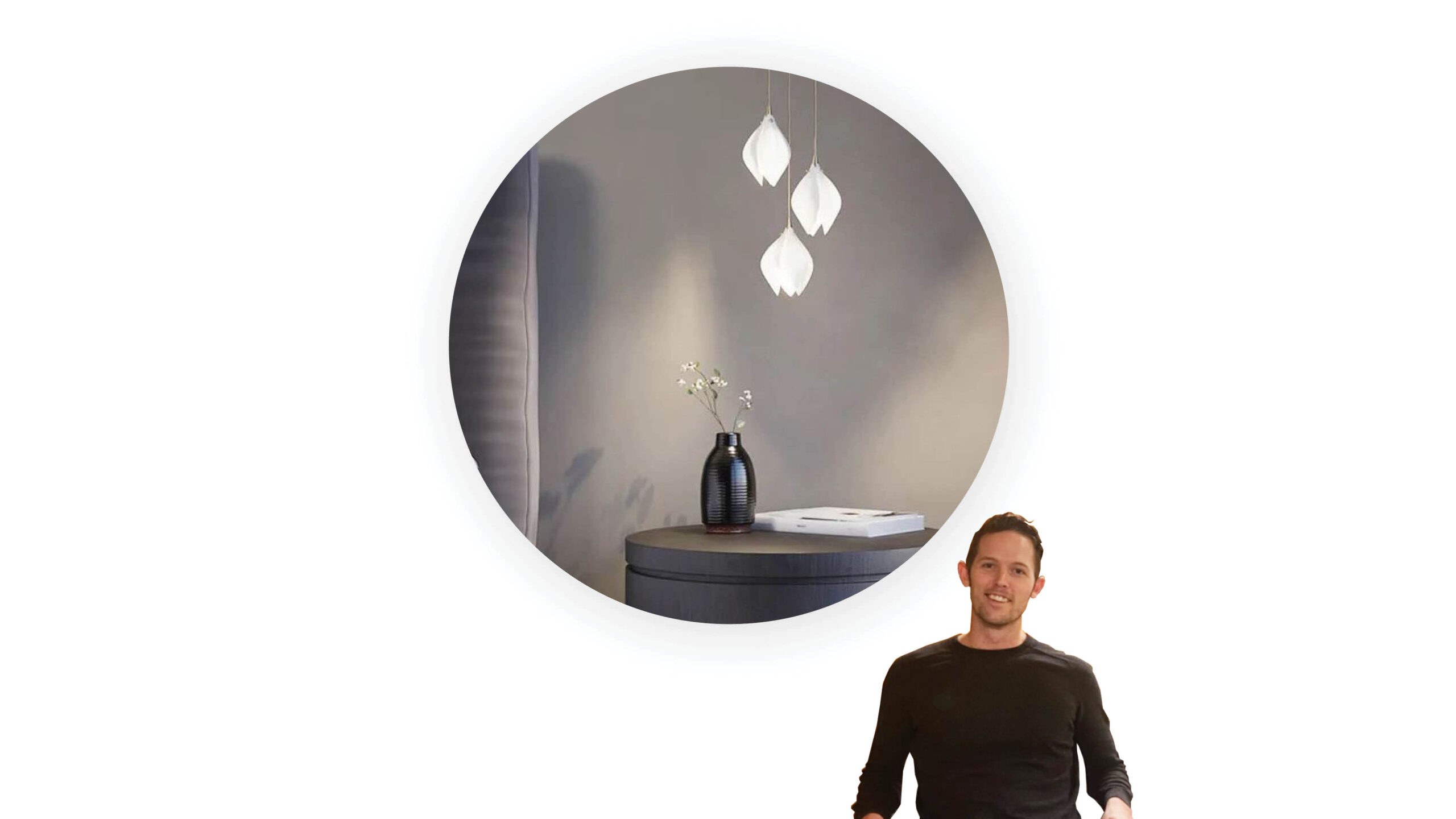
    Best Residential Lights_Ceramic Petal Pendant

    How to Estimate How Many Lights You Will Need for Your Room

    • Step 1: Use the drop down button to select the Room Type.
    • Step 2: Fill in the square footage of your room.
    • Step 3: Use the drop down button to select your ceiling height.
    • Step 4: Use the drop down button to select how bright your room finishes will be (bright, medium, or dark).

    The calculator will automatically tell you how many lumens you need for your room, and weather you need additional lights.

    Reach out with questions if you’d like me to double check your work, before you purchase anything. If you are working on a building permit, or putting together a lighting budget, feel free to use my free lighting design guide here (excel format).

    Petal Pendant: Need Additional Light?

    If you’ve used our calculator and are still wondering how many lights you need, consider supplementing your design with accent lighting. While the Petal Pendant pendant provides stunning illumination, some spaces may require additional fixtures for optimal brightness and balance.

    Below, I’ve curated a list of go-to lighting options that I frequently use in projects with architects and developers. These fixtures are organized for quick comparison of cost, wattage, and aesthetics, ensuring you find the perfect complement to your Petal Pendant setup.

    Every light is UL-listed for safety and has a color rendering index (CRI) of 90+, guaranteeing high-quality illumination.

    Not sure if you need more lighting? Reach out with any questions—I’m happy to help fine-tune your design!

    Steve Duncan, AIA

    Recessed Can Downlights

    Best Residential Lights_Feit LEDR56930CA

    90 CRI – 3000K

    Best Residential Lights_Juno Gen2

    90 CRI – 3000K

    Best Residential Lights_WAC Volta 2 Inch

    90 CRI – 2700K, 3000K, 3500K, 4000K

    Recessed Wall Washer Lights

    Best Residential Lights_WAC Lotos Recessed Wall Washer LED

    90 CRI – 2700K, 3000K, 3500K, 4000K, 5000K

    90 CRI – 2700K, 3000K, 3500K, 4000K

    Recessed Adjustable Accent Lights

    90 CRI – 2700K, 3000K, 3500K, 4000K, 5000K

    90 CRI – 2700K, 3000K, 3500K, 4000K, 5000K

    Best Residential Lights_WAC Volta 2 Inch Adjustable

    90 CRI – 2700K, 3000K, 3500K, 4000K

    What Should You Look for in Quality Residential Lighting?

    Architect calculating how many lights are needed for her project if she uses foscarini spokes.

    When designing the perfect living space, one of the most impactful yet often overlooked elements is quality residential lighting. Whether you’re considering the Petal Pendant pendant or determining how many lights are needed for your space, the right lighting enhances ambiance, highlights decor, and improves functionality.

    In 2025, the best residential lighting solutions prioritize high color rendering (CRI 90+), energy efficiency, and sleek, versatile designs that suit a variety of interiors. As an architect and lighting designer, I’ve carefully selected the best lighting options to meet these high standards, ensuring that your space is not only well-lit but also beautifully illuminated.

    Whether you’re remodeling or designing a new home, choosing the right Petal Pendant fixture and determining how many lights you need will elevate your space and maximize its potential.

    Petal Pendant: Quality Residential Lighting Criteria

    • UL Listed for Safety
    • Have a Color Rendering Index (CRI) of at least 90
    • Customer Rating of at least 4 out of 5 stars

    Petal Pendant: Why Is Color Rendering Important for Quality Residential Lighting?

    Regardless of the vibe you are going for, there are two things that can trip up designers when they are selecting LED lighting. The first, is color rendering. ​

    Color Rendering Index (CRI)

    If you only remember one thing from me, please remember that color rendering is EVERYTHING when it comes to lighting. If you love incandescent and halogen lights, but hate fluorescent, then color rendering is the reason.​

    We always want to find lights that have a color rendering (CRI) of at least 90, so that we can bring out the true color of our room finishes and decor. Many LED lights have a color rendering of 80, and this score is actually worse than fluorescent (which has a score of 82). As you can see in the image below, the true color of the wood is brought out with the light on the right, which has a score of 90. The red tones of the wood come through and it feels warm. In contrast, the light on the left makes the wood look a bit greenish and yellow, because it has a poor color rendering score of 80.​

    Color Rendering Comparison of two LEDs which are illuminating a wood furniture piece.

    Trust me! It’s worth it to spend just a little bit more on lights to make sure that you’re getting LEDs with a score of 90 or higher, so that the people and finishes in your spaces feel vibrant and full of life. Make sure to pay attention to this when you find a light you like and you’re ready to hit that “order” button.

    Petal Pendant: Why Is Dimmer Compatibility Important?

    Lastly, make sure that the LEDs you select are dimmable. This is something you need to check in the product cutsheet or through the web store that you are browsing. ​

    Also, you’ll need to make sure that the dimmer you select will be compatible with the LED light fixture.  In the past, we could easily dim incandescent and halogen lighting with a simple rotary dimmer. This may or may not work for a new LED light fixture. 

    You wouldn’t expect your television remote to be able to turn on your stereo system, would you? The same is true for LED dimmers. You have to make sure that the dimmer switch can actually communicate with the light fixture. 

    Why is Dimmer Compatibility Important?

    There’s a variety of dimming protocols: it may be TRIAC, Electronic Low Voltage (ELV), 0-10 Volt, or DALI. So make sure to work with your electrician or a sales representative to make sure that the components of your lighting design are all compatible. 

    Petal Pendant: Why is it Important to Do a Lighting Calculation?

    If you want to be confident in your residential lighting design, you have to do a lighting calculation. It’s as simple as that. 

    Footcandle Targets

    But how do we actually estimate how bright a room actually needs to be? Well, the footcandle targets for a room are set by the Illuminating Engineering Society of North America (IESNA), and the International Association of Lighting Designers (IALD).

    This professional organization has studied and analyzed the functional requirements for each kind of space designed by architects. For residential projects, I like to refer back to the National Renewable Energy Laboratory & Department of Energy’s footcandle targets, since those are made freely available to the public. These are the targets I use for my own projects, and are the basis for the lighting estimator on this webpage. ​

    Avoiding Lighting Mistakes – Not Enough Light

    You don’t want to have too little light. It’s expensive for a contractor and electrican to come back after the fact to revise the lighting strategy and patch the walls/ceiling. This happened to an interior designer early in my career, and it wasn’t a fun situation.

    For me, it was the beginning of a great collaboration with this design professional, because we worked on many projects after that – but of course it would have been better if this interior designer hadn’t made that mistake to begin with. ​

    Petal Pendant: Avoiding Lighting Mistakes – Too Much Light

    Likewise, you also don’t want to be too bright, and overspend on lighting, just because you’re unsure what is needed and just hoping for the best (yikes!).

    This is fundamentally why I created the lighting estimator at our partner website – to balance making sure there’s enough light, while also making sure a client isn’t paying for too many lights. Hopefully using the calculator was straightforward. Reach out with questions (before buying/building anything), if you’d like help! Good luck on your project!

    Best Residential Lights_Ceramic Petal Pendant

    Petal Pendant Works Cited: Quality Residential Lighting & How Many Lights​

    Duncan, Steve. “Why Is It Important to Do a Lighting Calculation?” Lighting Design Insights. [LightingJUMP.com, https://www.lightingjump.com/how-many-lights-forest-vibe]. 

    The author emphasizes the necessity of conducting lighting calculations to ensure effective lighting design in various spaces. He cites the Illuminating Engineering Society of North America (IESNA) and the International Association of Lighting Designers (IALD) for their established footcandle targets that help determine appropriate lighting levels. Duncan also mentions the National Renewable Energy Laboratory (NREL) and the Department of Energy’s publicly available footcandle targets, which he uses for residential projects.

    He shares a personal anecdote about the complications that arise from inadequate lighting, stressing the importance of precise calculations to avoid costly adjustments and excessive spending. The lighting estimator featured on his webpage is designed to assist clients in achieving optimal lighting without overspending. 

    References – How Many Lights Petal Pendant

  • Kite Pendant: Love the Light, But Is It Bright Enough?

    Kite Pendant: Love the Light, But Is It Bright Enough?

    How Many Lights Will You Really Need for Your Design? Kite Pendant Light

    Let’s take the guesswork out of lighting so you can design with confidence! Ensuring the right amount of illumination is essential for both functionality and ambiance. The Kite pendant light delivers an impressive 4800 lumens, but how many lights do you actually need for your space?

    To make sure your design is bright enough, use our lighting estimator below to calculate the ideal number of Kite Pendant lights based on your room’s size. Whether you’re working on a residential or commercial project, this tool helps you achieve the perfect lighting balance.

    Note: By using the lighting estimator below, you agree to the terms and conditions of this website.

    How Bright_Lamina Mayor LED Linear Suspension

    How Many Lights Will You Need? Kite Pendant Light

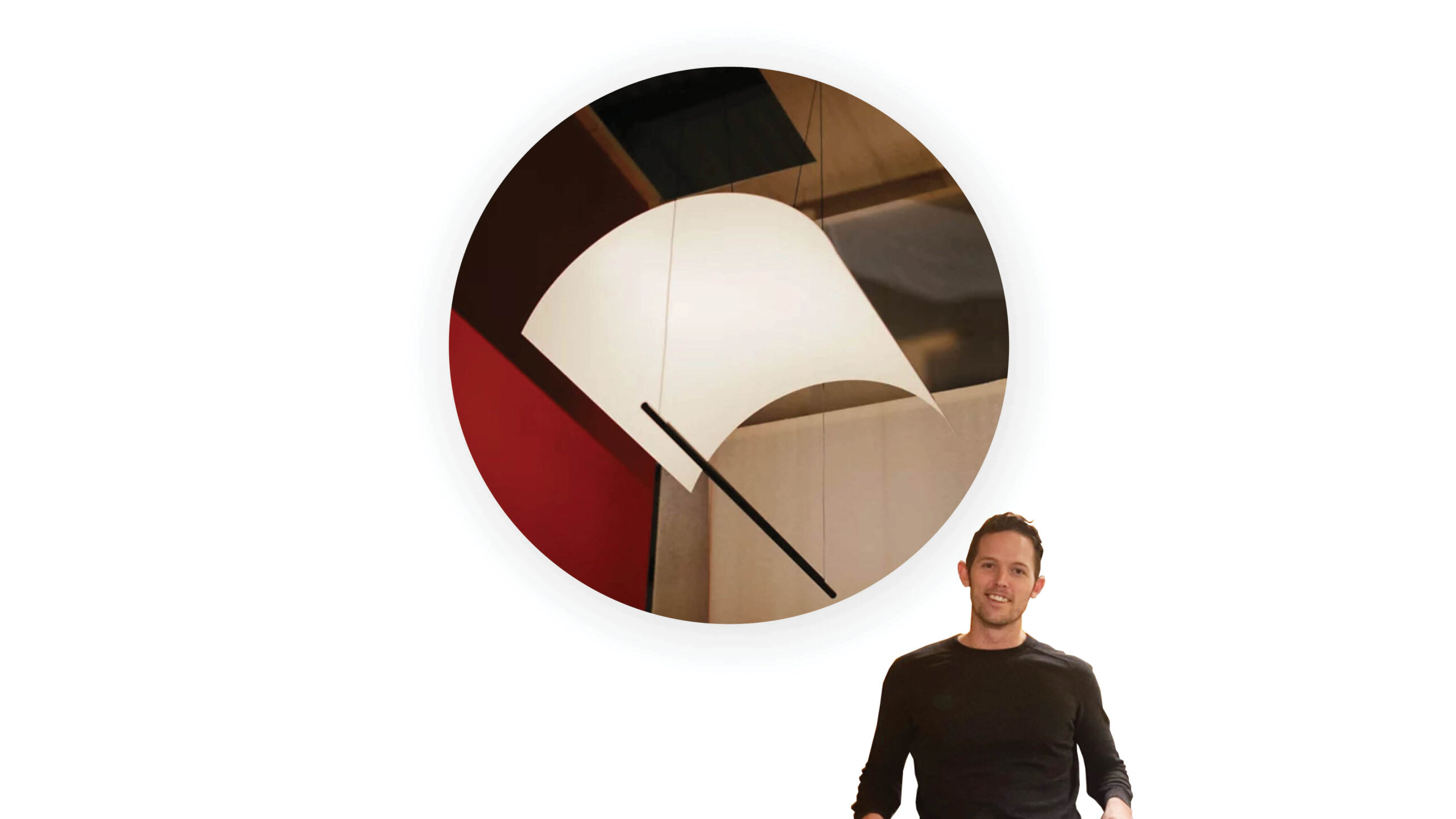
    Best Residential Lights_Lamina Mayor

    How to Estimate How Many Lights You Will Need for Your Room

    • Step 1: Use the drop down button to select the Room Type.
    • Step 2: Fill in the square footage of your room.
    • Step 3: Use the drop down button to select your ceiling height.
    • Step 4: Use the drop down button to select how bright your room finishes will be (bright, medium, or dark).

    The calculator will automatically tell you how many lumens you need for your room, and weather you need additional lights.

    Reach out with questions if you’d like me to double check your work, before you purchase anything. If you are working on a building permit, or putting together a lighting budget, feel free to use my free lighting design guide here (excel format).

    Kite Pendant Light: Need Additional Light?

    If you’ve used our calculator and are still wondering how many lights you need, consider supplementing your design with accent lighting. While the Kite Pendant Light pendant provides stunning illumination, some spaces may require additional fixtures for optimal brightness and balance.

    Below, I’ve curated a list of go-to lighting options that I frequently use in projects with architects and developers. These fixtures are organized for quick comparison of cost, wattage, and aesthetics, ensuring you find the perfect complement to your Kite Pendant Light setup.

    Every light is UL-listed for safety and has a color rendering index (CRI) of 90+, guaranteeing high-quality illumination.

    Not sure if you need more lighting? Reach out with any questions—I’m happy to help fine-tune your design!

    Steve Duncan, AIA

    Recessed Can Downlights

    Best Residential Lights_Feit LEDR56930CA

    90 CRI – 3000K

    Best Residential Lights_Juno Gen2

    90 CRI – 3000K

    Best Residential Lights_WAC Volta 2 Inch

    90 CRI – 2700K, 3000K, 3500K, 4000K

    Recessed Wall Washer Lights

    Best Residential Lights_WAC Lotos Recessed Wall Washer LED

    90 CRI – 2700K, 3000K, 3500K, 4000K, 5000K

    90 CRI – 2700K, 3000K, 3500K, 4000K

    Recessed Adjustable Accent Lights

    90 CRI – 2700K, 3000K, 3500K, 4000K, 5000K

    90 CRI – 2700K, 3000K, 3500K, 4000K, 5000K

    Best Residential Lights_WAC Volta 2 Inch Adjustable

    90 CRI – 2700K, 3000K, 3500K, 4000K

    What Should You Look for in Quality Residential Lighting?

    Architect calculating how many lights are needed for her project if she uses foscarini spokes.

    When designing the perfect living space, one of the most impactful yet often overlooked elements is quality residential lighting. Whether you’re considering the Kite pendant light or determining how many lights are needed for your space, the right lighting enhances ambiance, highlights decor, and improves functionality.

    In 2025, the best residential lighting solutions prioritize high color rendering (CRI 90+), energy efficiency, and sleek, versatile designs that suit a variety of interiors. As an architect and lighting designer, I’ve carefully selected the best lighting options to meet these high standards, ensuring that your space is not only well-lit but also beautifully illuminated.

    Whether you’re remodeling or designing a new home, choosing the right pendant fixture and determining how many lights you need will elevate your space and maximize its potential.

    Kite Pendant Light: Quality Residential Lighting Criteria

    • UL Listed for Safety
    • Have a Color Rendering Index (CRI) of at least 90
    • Customer Rating of at least 4 out of 5 stars

    Kite Pendant Light: Why Is Color Rendering Important for Quality Residential Lighting?

    Regardless of the vibe you are going for, there are two things that can trip up designers when they are selecting LED lighting. The first, is color rendering. ​

    Color Rendering Index (CRI)

    If you only remember one thing from me, please remember that color rendering is EVERYTHING when it comes to lighting. If you love incandescent and halogen lights, but hate fluorescent, then color rendering is the reason.​

    We always want to find lights that have a color rendering (CRI) of at least 90, so that we can bring out the true color of our room finishes and decor. Many LED lights have a color rendering of 80, and this score is actually worse than fluorescent (which has a score of 82). As you can see in the image below, the true color of the wood is brought out with the light on the right, which has a score of 90. The red tones of the wood come through and it feels warm. In contrast, the light on the left makes the wood look a bit greenish and yellow, because it has a poor color rendering score of 80.​

    Color Rendering Comparison of two LEDs which are illuminating a wood furniture piece.

    Trust me! It’s worth it to spend just a little bit more on lights to make sure that you’re getting LEDs with a score of 90 or higher, so that the people and finishes in your spaces feel vibrant and full of life. Make sure to pay attention to this when you find a light you like and you’re ready to hit that “order” button.

    Kite Pendant Light: Why Is Dimmer Compatibility Important?

    Lastly, make sure that the LEDs you select are dimmable. This is something you need to check in the product cutsheet or through the web store that you are browsing. ​

    Also, you’ll need to make sure that the dimmer you select will be compatible with the LED light fixture.  In the past, we could easily dim incandescent and halogen lighting with a simple rotary dimmer. This may or may not work for a new LED light fixture. 

    You wouldn’t expect your television remote to be able to turn on your stereo system, would you? The same is true for LED dimmers. You have to make sure that the dimmer switch can actually communicate with the light fixture. 

    Why is Dimmer Compatibility Important?

    There’s a variety of dimming protocols: it may be TRIAC, Electronic Low Voltage (ELV), 0-10 Volt, or DALI. So make sure to work with your electrician or a sales representative to make sure that the components of your lighting design are all compatible. 

    Kite Pendant Light: Why is it Important to Do a Lighting Calculation?

    If you want to be confident in your residential lighting design, you have to do a lighting calculation. It’s as simple as that. 

    Footcandle Targets

    But how do we actually estimate how bright a room actually needs to be? Well, the footcandle targets for a room are set by the Illuminating Engineering Society of North America (IESNA), and the International Association of Lighting Designers (IALD).

    This professional organization has studied and analyzed the functional requirements for each kind of space designed by architects. For residential projects, I like to refer back to the National Renewable Energy Laboratory & Department of Energy’s footcandle targets, since those are made freely available to the public. These are the targets I use for my own projects, and are the basis for the lighting estimator on this webpage. ​

    Avoiding Lighting Mistakes – Not Enough Light

    You don’t want to have too little light. It’s expensive for a contractor and electrican to come back after the fact to revise the lighting strategy and patch the walls/ceiling. This happened to an interior designer early in my career, and it wasn’t a fun situation.

    For me, it was the beginning of a great collaboration with this design professional, because we worked on many projects after that – but of course it would have been better if this interior designer hadn’t made that mistake to begin with. ​

    Kite Pendant Light: Avoiding Lighting Mistakes – Too Much Light

    Likewise, you also don’t want to be too bright, and overspend on lighting, just because you’re unsure what is needed and just hoping for the best (yikes!).

    This is fundamentally why I created the lighting estimator at our partner website – to balance making sure there’s enough light, while also making sure a client isn’t paying for too many lights. Hopefully using the calculator was straightforward. Reach out with questions (before buying/building anything), if you’d like help! Good luck on your project!

    Best Residential Lights_Lamina Mayor

    Kite Pendant Light Works Cited: Quality Residential Lighting & How Many Lights​

    Duncan, Steve. “Why Is It Important to Do a Lighting Calculation?” Lighting Design Insights. [LightingJUMP.com, https://www.lightingjump.com/how-many-lights-forest-vibe]. 

    The author emphasizes the necessity of conducting lighting calculations to ensure effective lighting design in various spaces. He cites the Illuminating Engineering Society of North America (IESNA) and the International Association of Lighting Designers (IALD) for their established footcandle targets that help determine appropriate lighting levels. Duncan also mentions the National Renewable Energy Laboratory (NREL) and the Department of Energy’s publicly available footcandle targets, which he uses for residential projects.

    He shares a personal anecdote about the complications that arise from inadequate lighting, stressing the importance of precise calculations to avoid costly adjustments and excessive spending. The lighting estimator featured on his webpage is designed to assist clients in achieving optimal lighting without overspending. 

    References – How Many Lights Kite Pendant

    https://lightbycolor.com/plasma-orbs-and-architecture
    https://lightbycolor.com/furniture-and-cymatics
    https://lightbycolor.com/lighting-and-cymatics
  • You Mini: Love the Light, But Is It Bright Enough?

    You Mini: Love the Light, But Is It Bright Enough?

    How Many Lights Will You Really Need for Your Design? You Mini Pendant

    Let’s take the guesswork out of lighting so you can design with confidence! Ensuring the right amount of illumination is essential for both functionality and ambiance. The You Mini pendant light delivers an impressive 800 lumens, but how many lights do you actually need for your space?

    To make sure your design is bright enough, use our lighting estimator below to calculate the ideal number of You Mini lights based on your room’s size. Whether you’re working on a residential or commercial project, this tool helps you achieve the perfect lighting balance.

    Note: By using the lighting estimator below, you agree to the terms and conditions of this website.

    How Bright_You Mini Pendant

    How Many Lights Will You Need? You Mini Pendant

    Best Residential Lights_You Mini Pendant

    How to Estimate How Many Lights You Will Need for Your Room

    • Step 1: Use the drop down button to select the Room Type.
    • Step 2: Fill in the square footage of your room.
    • Step 3: Use the drop down button to select your ceiling height.
    • Step 4: Use the drop down button to select how bright your room finishes will be (bright, medium, or dark).

    The calculator will automatically tell you how many lumens you need for your room, and weather you need additional lights.

    Reach out with questions if you’d like me to double check your work, before you purchase anything. If you are working on a building permit, or putting together a lighting budget, feel free to use my free lighting design guide here (excel format).

    You Mini Pendant: Need Additional Light?

    If you’ve used our calculator and are still wondering how many lights you need, consider supplementing your design with accent lighting. While the You Mini pendant provides stunning illumination, some spaces may require additional fixtures for optimal brightness and balance.

    Below, I’ve curated a list of go-to lighting options that I frequently use in projects with architects and developers. These fixtures are organized for quick comparison of cost, wattage, and aesthetics, ensuring you find the perfect complement to your You Mini setup.

    Every light is UL-listed for safety and has a color rendering index (CRI) of 90+, guaranteeing high-quality illumination.

    Not sure if you need more lighting? Reach out with any questions—I’m happy to help fine-tune your design!

    Steve Duncan, AIA

    Recessed Can Downlights

    Best Residential Lights_Feit LEDR56930CA

    90 CRI – 3000K

    Best Residential Lights_Juno Gen2

    90 CRI – 3000K

    Best Residential Lights_WAC Volta 2 Inch

    90 CRI – 2700K, 3000K, 3500K, 4000K

    Recessed Wall Washer Lights

    Best Residential Lights_WAC Lotos Recessed Wall Washer LED

    90 CRI – 2700K, 3000K, 3500K, 4000K, 5000K

    90 CRI – 2700K, 3000K, 3500K, 4000K

    Recessed Adjustable Accent Lights

    90 CRI – 2700K, 3000K, 3500K, 4000K, 5000K

    90 CRI – 2700K, 3000K, 3500K, 4000K, 5000K

    Best Residential Lights_WAC Volta 2 Inch Adjustable

    90 CRI – 2700K, 3000K, 3500K, 4000K

    What Should You Look for in Quality Residential Lighting?

    Architect calculating how many lights are needed for her project if she uses foscarini spokes.

    When designing the perfect living space, one of the most impactful yet often overlooked elements is quality residential lighting. Whether you’re considering the You Mini pendant or determining how many lights are needed for your space, the right lighting enhances ambiance, highlights decor, and improves functionality.

    In 2025, the best residential lighting solutions prioritize high color rendering (CRI 90+), energy efficiency, and sleek, versatile designs that suit a variety of interiors. As an architect and lighting designer, I’ve carefully selected the best lighting options to meet these high standards, ensuring that your space is not only well-lit but also beautifully illuminated.

    Whether you’re remodeling or designing a new home, choosing the right You Mini fixture and determining how many lights you need will elevate your space and maximize its potential.

    You Mini: Quality Residential Lighting Criteria

    • UL Listed for Safety
    • Have a Color Rendering Index (CRI) of at least 90
    • Customer Rating of at least 4 out of 5 stars

    You Mini Pendant: Why Is Color Rendering Important for Quality Residential Lighting?

    Regardless of the vibe you are going for, there are two things that can trip up designers when they are selecting LED lighting. The first, is color rendering. ​

    Color Rendering Index (CRI)

    If you only remember one thing from me, please remember that color rendering is EVERYTHING when it comes to lighting. If you love incandescent and halogen lights, but hate fluorescent, then color rendering is the reason.​

    We always want to find lights that have a color rendering (CRI) of at least 90, so that we can bring out the true color of our room finishes and decor. Many LED lights have a color rendering of 80, and this score is actually worse than fluorescent (which has a score of 82). As you can see in the image below, the true color of the wood is brought out with the light on the right, which has a score of 90. The red tones of the wood come through and it feels warm. In contrast, the light on the left makes the wood look a bit greenish and yellow, because it has a poor color rendering score of 80.​

    Color Rendering Comparison of two LEDs which are illuminating a wood furniture piece.

    Trust me! It’s worth it to spend just a little bit more on lights to make sure that you’re getting LEDs with a score of 90 or higher, so that the people and finishes in your spaces feel vibrant and full of life. Make sure to pay attention to this when you find a light you like and you’re ready to hit that “order” button.

    You Mini Pendant: Why Is Dimmer Compatibility Important?

    Lastly, make sure that the LEDs you select are dimmable. This is something you need to check in the product cutsheet or through the web store that you are browsing. ​

    Also, you’ll need to make sure that the dimmer you select will be compatible with the LED light fixture.  In the past, we could easily dim incandescent and halogen lighting with a simple rotary dimmer. This may or may not work for a new LED light fixture. 

    You wouldn’t expect your television remote to be able to turn on your stereo system, would you? The same is true for LED dimmers. You have to make sure that the dimmer switch can actually communicate with the light fixture. 

    Why is Dimmer Compatibility Important?

    There’s a variety of dimming protocols: it may be TRIAC, Electronic Low Voltage (ELV), 0-10 Volt, or DALI. So make sure to work with your electrician or a sales representative to make sure that the components of your lighting design are all compatible. 

    You Mini Pendant: Why is it Important to Do a Lighting Calculation?

    If you want to be confident in your residential lighting design, you have to do a lighting calculation. It’s as simple as that. 

    Footcandle Targets

    But how do we actually estimate how bright a room actually needs to be? Well, the footcandle targets for a room are set by the Illuminating Engineering Society of North America (IESNA), and the International Association of Lighting Designers (IALD).

    This professional organization has studied and analyzed the functional requirements for each kind of space designed by architects. For residential projects, I like to refer back to the National Renewable Energy Laboratory & Department of Energy’s footcandle targets, since those are made freely available to the public. These are the targets I use for my own projects, and are the basis for the lighting estimator on this webpage. ​

    Avoiding Lighting Mistakes – Not Enough Light

    You don’t want to have too little light. It’s expensive for a contractor and electrican to come back after the fact to revise the lighting strategy and patch the walls/ceiling. This happened to an interior designer early in my career, and it wasn’t a fun situation.

    For me, it was the beginning of a great collaboration with this design professional, because we worked on many projects after that – but of course it would have been better if this interior designer hadn’t made that mistake to begin with. ​

    You Mini Pendant: Avoiding Lighting Mistakes – Too Much Light

    Likewise, you also don’t want to be too bright, and overspend on lighting, just because you’re unsure what is needed and just hoping for the best (yikes!).

    This is fundamentally why I created the lighting estimator at our partner website – to balance making sure there’s enough light, while also making sure a client isn’t paying for too many lights. Hopefully using the calculator was straightforward. Reach out with questions (before buying/building anything), if you’d like help! Good luck on your project!

    How Bright_You Mini Pendant

    You Mini Pedant Works Cited: Quality Residential Lighting & How Many Lights​

    Duncan, Steve. “Why Is It Important to Do a Lighting Calculation?” Lighting Design Insights. [LightingJUMP.com, https://www.lightingjump.com/how-many-lights-forest-vibe]. 

    The author emphasizes the necessity of conducting lighting calculations to ensure effective lighting design in various spaces. He cites the Illuminating Engineering Society of North America (IESNA) and the International Association of Lighting Designers (IALD) for their established footcandle targets that help determine appropriate lighting levels. Duncan also mentions the National Renewable Energy Laboratory (NREL) and the Department of Energy’s publicly available footcandle targets, which he uses for residential projects.

    He shares a personal anecdote about the complications that arise from inadequate lighting, stressing the importance of precise calculations to avoid costly adjustments and excessive spending. The lighting estimator featured on his webpage is designed to assist clients in achieving optimal lighting without overspending. 

    References – How Many Lights You Mini Pendant

    https://lightbycolor.com/plasma-orbs-and-architecture
    https://lightbycolor.com/furniture-and-cymatics
    https://lightbycolor.com/lighting-and-cymatics
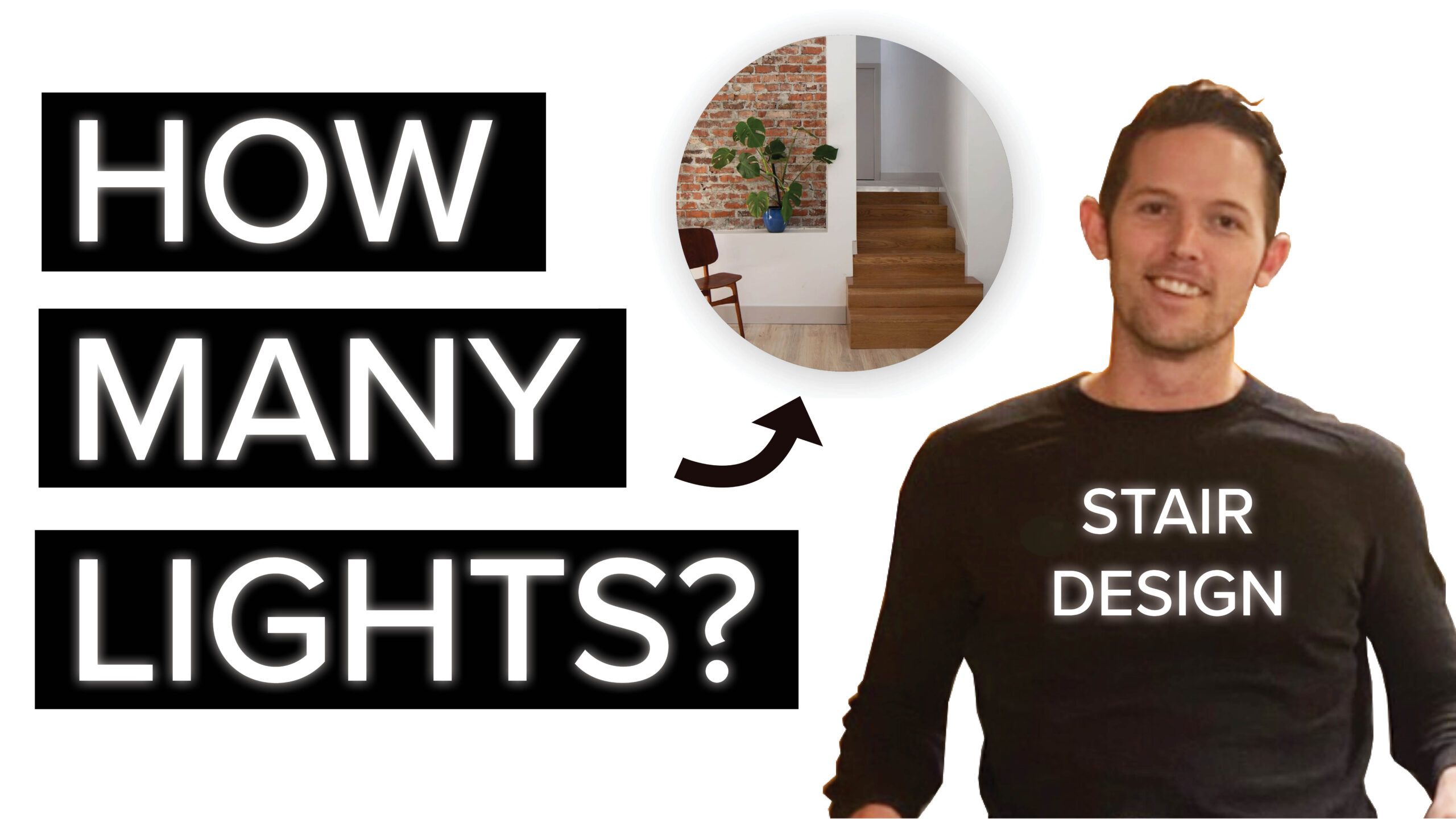
  • How Much Light for a Stair? Video Tutorial

    How Much Light for a Stair? Video Tutorial

    ? How much lighting does a staircase need? In this video, we break down the essential lighting calculations for a stair, following guidelines from the Illuminating Engineering Society of North America (IESNA) and the Department of Energy (DOE). Whether you’re an interior designer, architect, or homeowner, this guide will help you achieve safe, stylish, and effective staircase lighting.

    ? What we cover:
    ✔️ How to calculate the required lumens for a stair based on square footage
    ✔️ Choosing the right foot-candle levels for stairs and landings
    ✔️ Selecting step lights, recessed lighting, and pendant lights
    ✔️ Best practices for lighting placement and alignment
    ✔️ How to balance functional lighting with aesthetics

    ? Find the right lights for your project: [Affiliate link or resource]

    ? Need help with a lighting plan? Drop a comment below!

    ? Tools Used in This Video:
    ✅ Lumens Calculator
    ✅ Recessed & Step Lights Selection

    ? Subscribe for more interior & architectural lighting tips!

    Optimized Transcript: How Much Light Will You Really Need for Your Stairway Design?

    [00:00] Introduction
    Hey everyone! Today, we’re designing the lighting for a staircase, and I’ll walk you through how to determine the right amount of light needed for safe and effective illumination. Whether you’re an interior designer, architect, or homeowner, this guide will help you create a functional and beautiful stair lighting plan.

    How Much Light for a Stair_Project Examples from Allied8

    [00:15] Step 1: Calculating Square Footage & Lighting Needs
    The first step in staircase lighting design is to determine the square footage of the stair and surrounding areas. In this case, I’m including the hallway and stair landing, bringing the total to 111 square feet.

    Using a lighting calculator, I’m selecting medium finishes, which is a common scenario. According to the Illuminating Engineering Society of North America (IESNA) and the Department of Energy (DOE), the recommended lighting level for stairs is 5 foot-candles.

    [01:00] Step 2: Identifying Key Lighting Placements
    Before selecting specific lights, I like to analyze the stair’s architecture to determine the best placement. Ideally, we align lighting with visual cues like windows, landings, and stair treads.

    For this project, I’ll focus on:
    Step lights (wall-recessed lights) along the stair treads
    Recessed downlights at the landings
    ✅ A pendant light for decorative and functional lighting

    How Much Light for a Stair_Room Square Footage

    [02:30] Step 3: Choosing the Right Stair Lights
    Now, let’s start placing lights:
    ✔️ Wall-recessed step lights for even illumination along the stair treads
    ✔️ Recessed downlights for the landing
    ✔️ A pendant light that serves as a visual statement piece and adds ambient lighting

    How Much Light for a Stair_Lighting Layout

    [04:00] Step 4: Checking Lumens & Brightness Levels
    Next, let’s check if our selected stair lighting setup meets the required lumens:

    • The stair needs 1118 lumens
    • Our two recessed downlights provide 2000 lumens
    • The six step lights contribute 408 lumens
    • The pendant light should be at least 300 lumens to ensure balanced lighting

    [06:00] Step 5: Refining the Stair Lighting Plan
    By refining our calculations, we see that if we exclude the hallway, we only need 746 lumens for the stair treads and landing. The step lights and pendant light combination ensures proper illumination and visual appeal.

    [07:00] Finalizing the Lighting Selection
    At this point, I would collaborate with the interior designer, architect, or homeowner to choose a pendant light that meets both aesthetic preferences and lighting needs. It needs to provide at least 300 lumens—which is easy to find in various modern and classic fixture options.

    How Much Light for a Stair_Color Rendering

    [07:45] Conclusion
    That’s how I approach staircase lighting design! By following these steps, you can achieve a well-lit, stylish, and code-compliant stairway.

    ? What’s your favorite stair lighting style? Drop a comment below!

    ? Subscribe for more lighting design tips! See you in the next video!

    Works Cited: Quality Stairway Lighting

    Duncan, Steve. “Why Is It Important to Do a Lighting Calculation?” Lighting Design Insights. [LightingJUMP.com, https://www.lightingjump.com/how-many-lights-forest-vibe]. 

    The author emphasizes the necessity of conducting lighting calculations to ensure effective lighting design in various spaces. He cites the Illuminating Engineering Society of North America (IESNA) and the International Association of Lighting Designers (IALD) for their established footcandle targets that help determine appropriate lighting levels. Duncan also mentions the National Renewable Energy Laboratory (NREL) and the Department of Energy’s publicly available footcandle targets, which he uses for residential projects.

    He shares a personal anecdote about the complications that arise from inadequate lighting, stressing the importance of precise calculations to avoid costly adjustments and excessive spending. The lighting estimator featured on his webpage is designed to assist clients in achieving optimal lighting without overspending. 

    References – Quality Residential Lighting Design​

  • How Much Light for a Bathroom? Video Tutorial

    How Much Light for a Bathroom? Video Tutorial

    Transcript: How Much Light Will You Really Need for Your Bathroom Design?

    How Much Light for a Bathroom_Example Project

    [00:00:00] All right, the first step is to figure out the square footage of the bathroom that we’re working on, so let’s do that.

    Okay, so 197, so we’ll go over to our calculator here. this is going to be a bright bathroom, it’s on the second story, and we’re going to go with some bright finishes. I’m going to go with this bright calculator, [00:01:00] zoom in, so I’ll select bathroom. I say 197. Yes.

    And then we do have some generous ceilings here, 14 feet. So now I’m going to take a screen snip of this so I can refer back to it later.

    Okay. So let’s start with the toilet room.

    How Much Light for a Bathroom_Lighting Layout

    A plan on an adjustable lights, there’s probably going to be some [00:02:00] artwork or a painting or something above the toilets. So we can use this to aim the light at that vertical surface at the vanities, we’re going to doing some sconces. Not sure how bright those are going to be yet, but let’s assume that they are flanking the mirror so that we can get good illumination on the face.

    This is a nice bathroom, so we’re not going to do a bath or bath bar across the top. We’re actually going to spring for two lights at each vanity.

    And then this tub area would be nice to highlight that as a focal point. Let’s see, this door opening is not on center within the room.[00:03:00]

    Let’s see how this looks.

    How Much Light for a Bathroom_Room Square Footage

    So let’s do a light that’s centered on the tub. And then why don’t we do some under cabinet lights at the vanity?

    I like to have it along the leading edge of the cabinet, just does a better job of lighting the space.

    This closet’s going to need some lights. It’s small, so I don’t think putting a light within the linen closet makes sense. Probably just one outside. Maybe it’s on center with this door and this window.[00:04:00]

    Maybe this pulls back a bit. I think I’ll make that an adjustable just so that we can tune it in the field.

    The goal is to subtly highlight the front edge of this tub here. Okay. So maybe we put one more near the window.

    And of course our ceiling joists, it’s TBD, whether these lights are actually going to line up, and work with the actual location of the wood joists, but, this is a good starting point. And if we have to shift this row of three lights, then maybe we [00:05:00] shift all of them together to the North or to the South.

    All right. Let’s also have a light. Near the entrance, maybe it’s on center with that partition. And then maybe we could do some wall grazing light at the shower because we know we’re going to have some nice tile in that area that we could highlight. Okay. So let’s see where we’re at from a.

    Lumen standpoints, see how we’re tracking. I think these sconces are going to be between [00:06:00] lumens. Let’s just assume 600 and then let’s go find some downlights. If we go back to the calculator, let’s do placeholder. We need to get an adjustable as well.[00:07:00]

    Okay, next we need to find those under cabinet lights for the vanities.

    So we’re not going to see them at all. So I don’t mind going with this slightly lower cost option.

    Here and here. And how long? Hopefully, how long is this light going to be? Okay, so let’s assume that it’s a three foot light.

    And both counts,[00:08:00]

    which would mean, so three, three, seven times three. That’s about, it’s about a thousand lumens. So that in here and then let’s go back here. We’re going to need to find a led rated for showers, but from a output standpoint, we can use these as a placeholder.

    And that’ll help us when we go shopping for a shower light.

    How long is this wall? [00:09:00] It’s a 5 foot 8. Let’s, for the purposes of counting illumination, we’ll assume 6 feet. So, 6 times 320. That’s 1920.

    Okay. The moment of truth, let’s add all of these up and see where we’re at.[00:10:00]

    Okay. So that brings us to 10, 860.

    So we’re a fair amount over our targets based on the size of the room. I don’t think I would. We can’t remove any of the lights, but we could choose to find lights that are a little bit less bright. Maybe these down lights, we could find 600 lumen lights instead of 1000 lumen lights. most clients like to have lots of light and don’t mind having it be a little bit more than the target. But if we wanted to start to value engineer and try to find ways to save cost on the [00:11:00] project, then going with a less bright LED is a way to save some money. Um, a lot of the cost is actually just in wiring and the labor in the field of installing the lights themselves. So, all right, that’s it for now.

    Um, in the next video we’ll go over stairs.

    Works Cited: Quality Bathroom Lighting

    Duncan, Steve. “Why Is It Important to Do a Lighting Calculation?” Lighting Design Insights. [LightingJUMP.com, https://www.lightingjump.com/how-many-lights-forest-vibe]. 

    The author emphasizes the necessity of conducting lighting calculations to ensure effective lighting design in various spaces. He cites the Illuminating Engineering Society of North America (IESNA) and the International Association of Lighting Designers (IALD) for their established footcandle targets that help determine appropriate lighting levels. Duncan also mentions the National Renewable Energy Laboratory (NREL) and the Department of Energy’s publicly available footcandle targets, which he uses for residential projects.

    He shares a personal anecdote about the complications that arise from inadequate lighting, stressing the importance of precise calculations to avoid costly adjustments and excessive spending. The lighting estimator featured on his webpage is designed to assist clients in achieving optimal lighting without overspending. 

    References – Quality Residential Lighting Design​

  • How Much Light for a Hallway? Video Tutorial

    How Much Light for a Hallway? Video Tutorial

    Transcript: How Much Light Will You Really Need for Your Hallway Design?

    [00:00:00] All right, let’s design the lighting for a hallway.

    All right, so the first step is going to be figuring out the square footage of the hall that we’re going to be working on. So, grab that.

    How Much Light for a Hallway_Room Square Footage

    Okay, so 85. Let’s go over to our lighting calculator. , for this particular project, the stair next to it is a bright area. There’s a skylights. And so. I actually want this hallway to feel a little bit more moody. So we’re going to go with some darker finishes. so that’s the calculator that I’m going to use.

    So first we’ll select hallway. Like I said, 84, 85, and then we do have [00:01:00] some tall ceilings at 13 feet. And so I’m going to snip this. So that we have it for later,

    now we can refer back to this. Okay, so hallways don’t need a ton of lights. most hallways are actually overlit a bit. we’re going for this kind of a moody vibe. something to keep in mind though is that we do have this elevator door threshold here. So we need to make sure we get at least 10 foot candles of light.

    Right there. So what we’re going to do is right out of the gates, we’re just going to have a down light [00:02:00] centered on that door. And then, oh, actually, I want to go to the other plan here.

    And then I think for the rest of the hall, maybe, going with some recessed wall lights. So it’s just lighting the floor surface. It feels moody. It’s prepping you for, , accessing these bedrooms at the end of the hallway. You’re of winding down for the end of the day. So put in some step lights.

    We’re going to have room for that. Okay. So we’ve got two step lights and a down [00:03:00] light. Let’s go back to the calculator and find some placeholders. Okay, I’ve got two of these.

    All right, and then let’s go find a recessed down light.[00:04:00]

    How Much Light for a Hallway_Lighting Layout

    Okay, so we’re definitely over our lumens needed for this hallway, but, um, it’s not as if we can just have a single down light and then that would light this whole hallway. So it really comes down to coverage, So really, we need at least 3 lights, regardless of how bright they are, just so that we can provide some illumination for the full length of this hallway.

    Um, so let’s see. Yeah, right now we’re at about 1120 lumens, and we only needed 469. So, that’s pretty common with hallways, uh, but it’s just good to know that we have the freedom to maybe have a little bit less light. Um, if [00:05:00] we didn’t have this elevator here then that would change things and maybe we could have just done another step light over here.

    Okay, uh, that’s it for now and I’ll see you in the next video.

    Works Cited: Quality Hallway Lighting

    Duncan, Steve. “Why Is It Important to Do a Lighting Calculation?” Lighting Design Insights. [LightingJUMP.com, https://www.lightingjump.com/how-many-lights-forest-vibe]. 

    The author emphasizes the necessity of conducting lighting calculations to ensure effective lighting design in various spaces. He cites the Illuminating Engineering Society of North America (IESNA) and the International Association of Lighting Designers (IALD) for their established footcandle targets that help determine appropriate lighting levels. Duncan also mentions the National Renewable Energy Laboratory (NREL) and the Department of Energy’s publicly available footcandle targets, which he uses for residential projects.

    He shares a personal anecdote about the complications that arise from inadequate lighting, stressing the importance of precise calculations to avoid costly adjustments and excessive spending. The lighting estimator featured on his webpage is designed to assist clients in achieving optimal lighting without overspending. 

    References – Quality Residential Lighting Design​

  • How Much Light for a Closet? Video Tutorial

    How Much Light for a Closet? Video Tutorial

    Transcript: How Much Light Will You Really Need for Your Closet Design?

    [00:00:00] Okay, let’s design the lighting for a walk in closet.

    Alright, the first step is going to be figuring out the square footage of the closet that we’re going to be working on here. So, let’s grab that.

    How Much Light for a Walk In Closet_Rendered Lighting Plan

    Okay, so we’ll round up to 65. Let’s go over to our calculator.

    I’m going to assume that we have Uh, medium finishes in this room. Let’s go to closets, but in 65 for the square footage, we do have a pretty tall ceiling in here. Okay. So we need about 3, 500 lumens, a little bit more snip this. [00:01:00] So we can refer back to it.

    How Much Light for a Walk In Closet_Square Footage Calculation

    There aren’t a lot of visual cues to take from this room. You know, we could center on this door. probably the lights are going to be on the center line. It just makes sense with the, shelving that’s going to be planned for this space. And, I think in this case, let’s go with a flush mount. Because those do a good job of sending light down, but also out the sides, and we want to get light onto the vertical surfaces, onto the clothes, so that we can have a really clear picture of what is available.

    How Much Light for a Walk In Closet_Lighting Layout

    I’m thinking probably two makes sense just from a coverage standpoint. And then if we come back over here. [00:02:00] Let’s say we rounded this up to 4, 000 lumens. That would mean that each of these lights would need to be about 2000. So let’s go back to the calculator and see if we can find a placeholder. Light, that’s a flush mount.

    Okay. So grab that 1600 lumens. So that would put us at 32, maybe that’s a little low, so let’s go back, go with this brighter version.[00:03:00]

    And now we know that we’re definitely going to meet our lumens needed in order to achieve our 30 foot candle. Illumination target, which is set by the illumination engineering society of North America and the department of energy. All right. that’s it for now. We’ll see you in the next video.

    How Much Light for a Closet_Color Rendering

    Works Cited: Quality Closet Lighting

    Duncan, Steve. “Why Is It Important to Do a Lighting Calculation?” Lighting Design Insights. [LightingJUMP.com, https://www.lightingjump.com/how-many-lights-forest-vibe]. 

    The author emphasizes the necessity of conducting lighting calculations to ensure effective lighting design in various spaces. He cites the Illuminating Engineering Society of North America (IESNA) and the International Association of Lighting Designers (IALD) for their established footcandle targets that help determine appropriate lighting levels. Duncan also mentions the National Renewable Energy Laboratory (NREL) and the Department of Energy’s publicly available footcandle targets, which he uses for residential projects.

    He shares a personal anecdote about the complications that arise from inadequate lighting, stressing the importance of precise calculations to avoid costly adjustments and excessive spending. The lighting estimator featured on his webpage is designed to assist clients in achieving optimal lighting without overspending. 

    References – Quality Residential Closet Design​